




Columns
Double Barrel Khan — A Detailed Summary of Hamid Mir’s Column.
15-Oct-2026 — Qazi Jawad
0 Comments
60 Views
اردو میں پڑھیں
Author: Hamid Mir
Publication: Daily Jang
Date: October 15, 2026
The central theme of Hamid Mir’s column “Double Barrel Khan” is the comparison between the Babra Massacre of 1948 and the political situation in Khyber Pakhtunkhwa in October 2026. The author uses this historical tragedy to argue that the use of state power against political opponents, suppression of dissent, and accusations of disloyalty can have serious consequences for democracy and society.
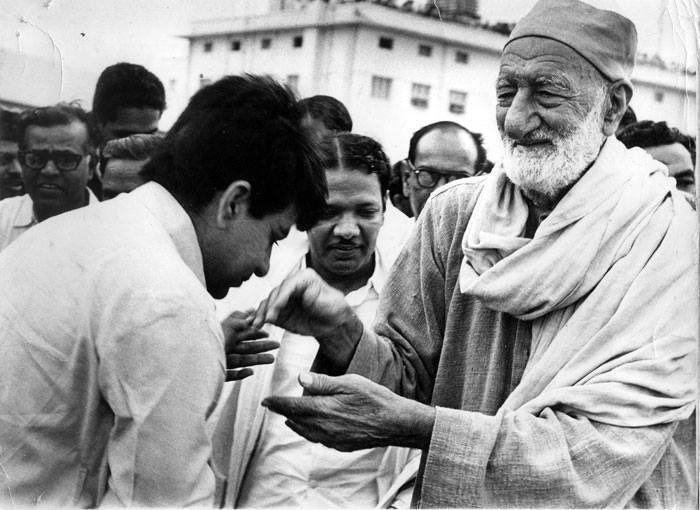
According to the column, on August 12, 1948, the Khudai Khidmatgar movement, led by Khan Abdul Ghaffar Khan, popularly known as Bacha Khan, announced a public gathering at Babra near Charsadda. At the time, Khan Abdul Qayyum Khan was the Chief Minister of the then North-West Frontier Province, now known as Khyber Pakhtunkhwa, and Section 144 was in force. During the gathering, police opened fire on protesters. The incident became known as the Babra Massacre. Hamid Mir writes that the provincial government reported 25 deaths, while accounts attributed to eyewitnesses claimed that the death toll was much higher, possibly reaching hundreds. However, different accounts give different figures, and the exact number of casualties remains disputed.
The column identifies Khan Abdul Qayyum Khan as a central figure in the political and administrative circumstances surrounding the massacre. Hamid Mir refers to a statement attributed to Qayyum Khan in which he reportedly defended the firing on protesters and used harsh language against the Khudai Khidmatgar movement. According to the author, the incident and Qayyum Khan’s uncompromising attitude contributed to the nickname “Double Barrel Khan.”
The article also examines Qayyum Khan’s political career and his rise to power. According to the column, he contested the 1937 elections on the Congress ticket before later joining the Muslim League. The author also mentions his book, Gold and Guns on the Pathan Frontier, which he describes as critical of Muhammad Ali Jinnah and the Muslim League.
The political situation in the province became increasingly complicated around the time of Partition. In the 1946 elections, Congress secured a majority in the province, and Dr Khan Sahib’s government came to power. During the Partition process, a referendum was held to determine whether the province would join Pakistan or India. The overwhelming majority of votes cast supported Pakistan. However, Congress and the Khudai Khidmatgar leadership boycotted the referendum, so the result should not be interpreted as a unanimous decision by every resident of the province.
Following Pakistan’s establishment, political tensions continued. According to the column, Dr Khan Sahib’s government was dismissed on August 22, 1947, and Khan Abdul Qayyum Khan subsequently formed a government. Hamid Mir argues that the political conflict between the Muslim League and the Khudai Khidmatgar movement intensified during this period. Bacha Khan and his associates were accused of maintaining links with Afghanistan and acting against Pakistan. The author presents these accusations as part of a broader political environment in which opposition was increasingly associated with questions of national loyalty.
Another major theme of the column is the comparison between 1948 and 2026. Hamid Mir argues that some of the political patterns associated with the Babra Massacre can also be observed in the contemporary situation in Khyber Pakhtunkhwa. He refers to restrictions on political gatherings under Section 144, allegations against political opponents, the reported detention of elected representatives, tensions surrounding provincial governance, and the use of force against protesters.
The author specifically mentions reports of police allegedly firing directly at protesters in Bara, Khyber. He compares these reports with the events at Babra in 1948, suggesting that the use of state power to suppress political demonstrations raises serious questions about accountability and democratic rights. The column also discusses Governor Faisal Karim Kundi’s political statements and tensions involving the provincial government.
However, the comparison between the two periods represents the author’s political interpretation. The circumstances, legal framework, and details of the events in 1948 and 2026 differ. Claims concerning current detentions, provincial governance, and the use of force require independent verification through official records and credible reporting.
Towards the end, Hamid Mir warns those currently exercising political authority that history may judge them harshly if they resort to force against opponents or attempt to suppress dissent. His use of the expression “Double Barrel Khan II” is a political metaphor intended to draw a parallel between the conduct attributed to past rulers and the actions of contemporary authorities.
In conclusion, Hamid Mir’s column presents the Babra Massacre as a historical lesson about the dangers of using state power to silence political opposition. His central argument is that political disagreements should be resolved through dialogue, constitutional processes, the rule of law, and democratic institutions rather than through force or accusations of treason. According to the author, political power is temporary, but the consequences of decisions made by those in authority can remain part of history for generations.
Note: This summary is based on the column provided. The historical details, quotations, and contemporary political allegations have not been independently verified here.
Publication: Daily Jang
Date: October 15, 2026
The central theme of Hamid Mir’s column “Double Barrel Khan” is the comparison between the Babra Massacre of 1948 and the political situation in Khyber Pakhtunkhwa in October 2026. The author uses this historical tragedy to argue that the use of state power against political opponents, suppression of dissent, and accusations of disloyalty can have serious consequences for democracy and society.
According to the column, on August 12, 1948, the Khudai Khidmatgar movement, led by Khan Abdul Ghaffar Khan, popularly known as Bacha Khan, announced a public gathering at Babra near Charsadda. At the time, Khan Abdul Qayyum Khan was the Chief Minister of the then North-West Frontier Province, now known as Khyber Pakhtunkhwa, and Section 144 was in force. During the gathering, police opened fire on protesters. The incident became known as the Babra Massacre. Hamid Mir writes that the provincial government reported 25 deaths, while accounts attributed to eyewitnesses claimed that the death toll was much higher, possibly reaching hundreds. However, different accounts give different figures, and the exact number of casualties remains disputed.
The column identifies Khan Abdul Qayyum Khan as a central figure in the political and administrative circumstances surrounding the massacre. Hamid Mir refers to a statement attributed to Qayyum Khan in which he reportedly defended the firing on protesters and used harsh language against the Khudai Khidmatgar movement. According to the author, the incident and Qayyum Khan’s uncompromising attitude contributed to the nickname “Double Barrel Khan.”
The article also examines Qayyum Khan’s political career and his rise to power. According to the column, he contested the 1937 elections on the Congress ticket before later joining the Muslim League. The author also mentions his book, Gold and Guns on the Pathan Frontier, which he describes as critical of Muhammad Ali Jinnah and the Muslim League.
The political situation in the province became increasingly complicated around the time of Partition. In the 1946 elections, Congress secured a majority in the province, and Dr Khan Sahib’s government came to power. During the Partition process, a referendum was held to determine whether the province would join Pakistan or India. The overwhelming majority of votes cast supported Pakistan. However, Congress and the Khudai Khidmatgar leadership boycotted the referendum, so the result should not be interpreted as a unanimous decision by every resident of the province.
Following Pakistan’s establishment, political tensions continued. According to the column, Dr Khan Sahib’s government was dismissed on August 22, 1947, and Khan Abdul Qayyum Khan subsequently formed a government. Hamid Mir argues that the political conflict between the Muslim League and the Khudai Khidmatgar movement intensified during this period. Bacha Khan and his associates were accused of maintaining links with Afghanistan and acting against Pakistan. The author presents these accusations as part of a broader political environment in which opposition was increasingly associated with questions of national loyalty.
Another major theme of the column is the comparison between 1948 and 2026. Hamid Mir argues that some of the political patterns associated with the Babra Massacre can also be observed in the contemporary situation in Khyber Pakhtunkhwa. He refers to restrictions on political gatherings under Section 144, allegations against political opponents, the reported detention of elected representatives, tensions surrounding provincial governance, and the use of force against protesters.
The author specifically mentions reports of police allegedly firing directly at protesters in Bara, Khyber. He compares these reports with the events at Babra in 1948, suggesting that the use of state power to suppress political demonstrations raises serious questions about accountability and democratic rights. The column also discusses Governor Faisal Karim Kundi’s political statements and tensions involving the provincial government.
However, the comparison between the two periods represents the author’s political interpretation. The circumstances, legal framework, and details of the events in 1948 and 2026 differ. Claims concerning current detentions, provincial governance, and the use of force require independent verification through official records and credible reporting.
Towards the end, Hamid Mir warns those currently exercising political authority that history may judge them harshly if they resort to force against opponents or attempt to suppress dissent. His use of the expression “Double Barrel Khan II” is a political metaphor intended to draw a parallel between the conduct attributed to past rulers and the actions of contemporary authorities.
In conclusion, Hamid Mir’s column presents the Babra Massacre as a historical lesson about the dangers of using state power to silence political opposition. His central argument is that political disagreements should be resolved through dialogue, constitutional processes, the rule of law, and democratic institutions rather than through force or accusations of treason. According to the author, political power is temporary, but the consequences of decisions made by those in authority can remain part of history for generations.
Note: This summary is based on the column provided. The historical details, quotations, and contemporary political allegations have not been independently verified here.
Comments (0)
No comments yet — be the first to comment.
Leave a Comment